

Posted On: June 12, 2026 by Friends of the Family in: General Human Stories, Lasting Impact
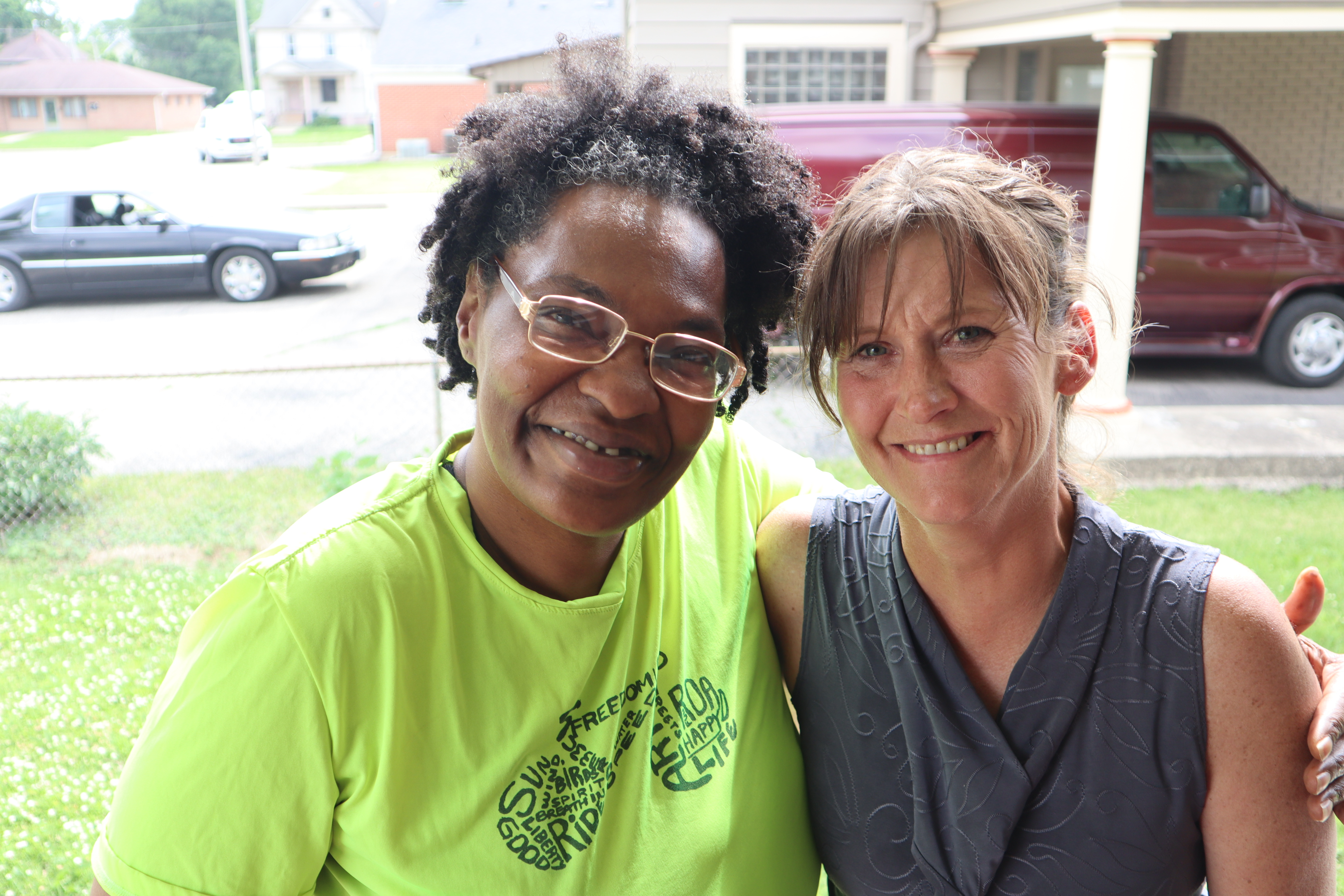
When you ask Jen what she does, she’ll give you a straightforward answer: she’s a victim support specialist. But spend even a few minutes hearing about her work, and it becomes clear that her role is anything but simple.
Jen has been with Friends of the Family for nearly four years, walking alongside people in some of the most uncertain moments of their lives. She meets guests as they arrive in shelteroften after fleeing domestic violence, sexual assault, human trafficking, or other violent crimes—and begins the delicate, human work of rebuilding safety, stability, and hope.
But if you ask her what she really does?
“I just held thier hands,” she says.
Jen’s Role Isn’t One Job – It’s Dozens
There is no “typical” day in Jen’s job. And that’s exactly the point.
One moment she’s completing intake paperwork and assessing immediate needs such as food, clothing, and hygiene items. The next, she’s helping someone enroll their children in school, schedule medical or dental appointments, apply for Medicaid or SNAP benefits, or secure a protective order.
She helps people safety plan. She finds transportation to safer communities, sometimes across state lines. She supports parents, connects families to WIC services, and helps people secure housing.
“It’s kind of everything,” she admits. “Whatever they need.”
And sometimes what someone needs most is not paperwork or logistics. It is presence.
“Sometimes they just want to come in and sit,” Jen says. “I won’t say a word. That’s the best therapy sometimes. People just need you to listen.”
The “Why” That Keeps Her Coming Back
This work is not easy. It is emotionally demanding. It is unpredictable. It is often heartbreaking.
So what keeps her showing up?
“The guests I work with,” she says without hesitation.
Jen does not measure success only by outcomes like housing or employment, though those matter. She sees the full journey, including the setbacks, doubts, and complicated middle.
“To get to that success, there’s a lot of not happy, not proud moments. People say, ‘I can’t do this,’ or ‘I should go back.’ And I tell them if it was easy, everybody would do it. But you are doing it.”
Her role is not to control someone’s decisions. It is to support them, no matter what.
“If someone decides to go back to an unsafe situation, my job is still to support them. We safety plan, and I make sure they know they’re always welcome back.”
That perspective is rooted in dignity and respect, meeting people where they are.
And in return?
“I think I learn more from them than they learn from me,” Jen says. “I’m humbled every day by my people.”
Redefining What Homelessness and Violence Look Like
One of the strongest misconceptions Jen pushes back on is the stereotype of who needs shelter services.
“It’s not what people think,” she explains. “There are men here. There are young moms, older moms. People with jobs. People with kids. People just trying to survive.”
The idea that homelessness or domestic violence is tied to laziness or lack of effort is something she challenges whenever she can.
“A lot of us are one paycheck away from being homeless,” she says honestly.
Her message is simple: these situations can happen to anyone.
A Story of Transformation
Jen recalls one recent guest, a mother who arrived at a hotel with her eight year old son, deeply afraid and constantly looking over her shoulder.
“She was so nervous, worried someone would find her.”
Over the next six weeks, everything changed.
With support and her own determination, that mother secured two jobs, found housing, and moved into her own place. Her son began to thrive, building connections and finding joy in a new environment.
“To see her from that first day to now, she’s a completely different person,” Jen says. “Confident. Out in the community. Living her life.”
And yet, Jen is quick to shift the credit.
“She did that. She saved her life. I just held her hand.”
Holding Space Through the Hard Parts
Not every story has a clear resolution. Jen speaks openly about the emotional weight of the work, especially when someone returns to an unsafe situation.
“You always think, what if I said something different? What if I did something else?”
But she grounds herself in what she can control: showing up, offering support, and respecting client choice.
“If I can sleep at night knowing I did everything I could that day, that’s what matters.”
A Calling Rooted in Connection
Jen’s path into this work came full circle. With a background in social work, she began in domestic violence advocacy, explored other areas, and ultimately returned to the field that felt like home.
“I do believe this is my calling,” she says.
She brings not only professional training, but lived experience, empathy, and a deep love for people.
“I’ve always loved people,” she says. “There’s so much to learn from them.”
That perspective shapes how she listens, how she advocates, and how she builds trust.
The Power of Community
Jen also highlights the role of the broader community in making this work possible.
“If you don’t ask, you don’t know,” she says, noting how often people step up when they understand the need.
From donors to partner organizations, that support helps bridge the gap between crisis and stability.
“I think people want to help. They just need to know how.”
More Than a Job
Ask Jen what defines her, and you will hear words like loyal, caring, and funny. She leans on humor, even as she admits she is quick to cry, whether from joy or heartbreak.
But behind that is someone deeply committed to walking beside others in their hardest moments.
No matter what is happening in her own life, when she sits down with a guest, everything else fades.
“It’s just me and them,” she says.
And in that space, steady, present, and compassionate, real change begins.
0 comments